


Always-On Multi-Orbit Connectivity for Special Forces

Special Operations Forces (SOF) – ALL.SPACE

Special Operations Forces (SOF) across NATO and Allied nations operate in dispersed formations and must move quickly, often in environments that are contested, congested, or denied.

Mission success increasingly hinges on moving data from the point of need to the point of decision with low signature, high resilience, and seamless coalition interoperability, especially when forces federate quickly under NATO Federated Mission Networking (FMN) for Day‑Zero operations. FMN provides the governed framework to establish mission networks and share information from strategic to tactical users.

Recent Allied exercise cycles continue to emphasize large‑scale, multi‑domain operations across the High North, the Baltics, and the maritime flanks, where SOF mobility, survivability, and assured beyond‑line‑of‑sight communications are non‑negotiable.

What SOF Require from Communications

What SOF Require from Communications

Always‑on connectivity that holds in motion, under electronic attack, and across terrain and weather, using make-before‑break and policy-based traffic priorities to keep the shared map, sensor feeds, and mission chat responsive.

Easy‑to‑deploy, low‑profile equipment that’s rugged and simple, so teams can focus on the mission, not the terminal.

Latest‑generation headroom for Intelligence, Surveillance, and Reconnaissance (ISR) video, data‑layer synchronization, and edge analytics, without swapping hardware every cycle.

Coalition Interoperability from Day Zero, plug‑and‑play into FMN mission networks using standards‑based profiles and independent lab‑and‑exercise validation.

The Challenges

Contested Spectrum & Electronic Warfare
Single‑path radios and switch‑only SATCOM can brown‑out during maneuvers or Electronic Warfare (EW) surges; survivability now depends on Low Probability of Detection and Low Probability of Intercept (LPD/LPI), robust anti‑jamming, directional beams, and agile multi‑path transport.

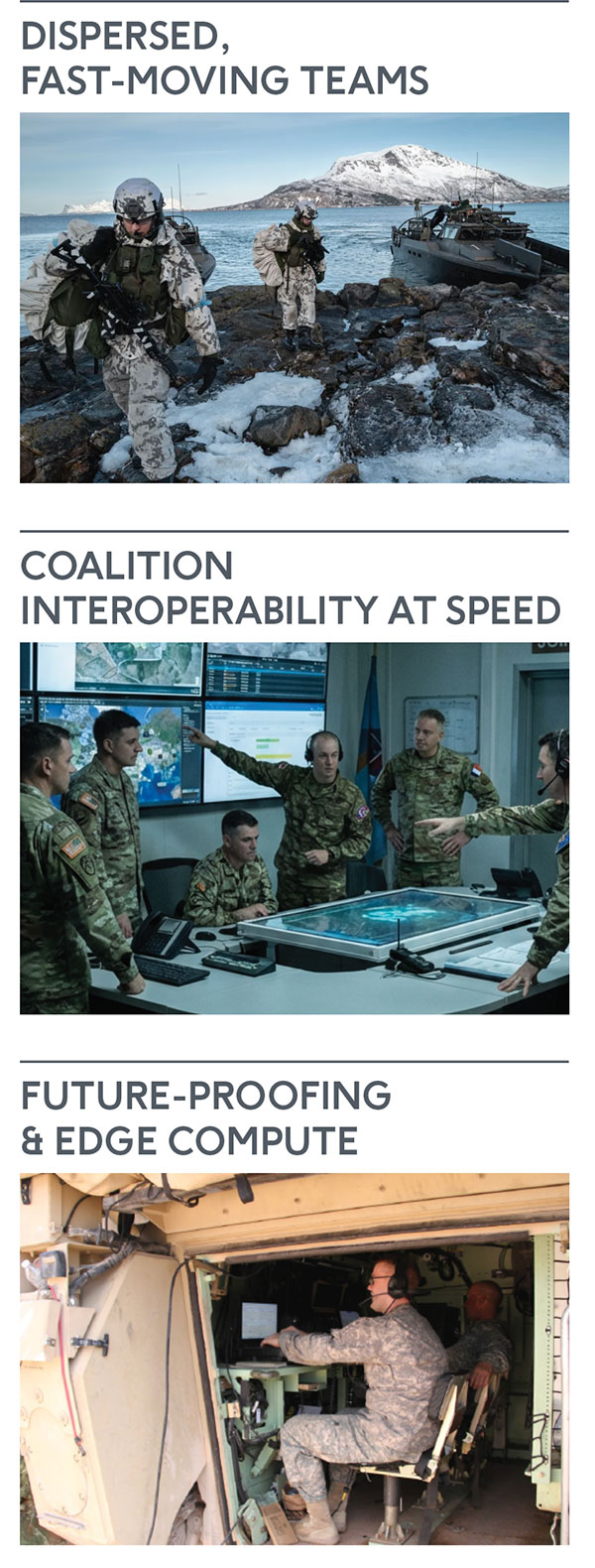
Dispersed, Fast‑Moving Teams
SOF elements must maintain Common Operational Picture (COP) updates, ISR video, and mission chat while on the move with minimal setup time; losing links undermines tempo and risk posture.

Coalition Interoperability at Speed
To link national systems, use NATO’s agreed standards and validate them in coalition tests. Transport gear must understand those standards and connect immediately.

Maritime & Littoral Reality
Afloat and near‑shore missions require resilient, high‑throughput links that can be rapidly deployed on small platforms. Allies are adopting NGSO augmentation to deliver lower‑latency capacity at sea.

Future‑Proofing & Edge Compute
Address rising edge‑processing needs while connecting to today’s GEO/MEO and LEO (Ku) services, with a smooth on‑ramp to Ka‑band LEO, without forklift upgrades or disruptive re‑architecting.

SOF – The Challenges – ALL.SPACE
The Solution: Hydra Multi‑Orbit, Multi‑Link Terminals – ALL.SPACE

The Solution: Hydra Multi‑Orbit, Multi‑Link Terminals

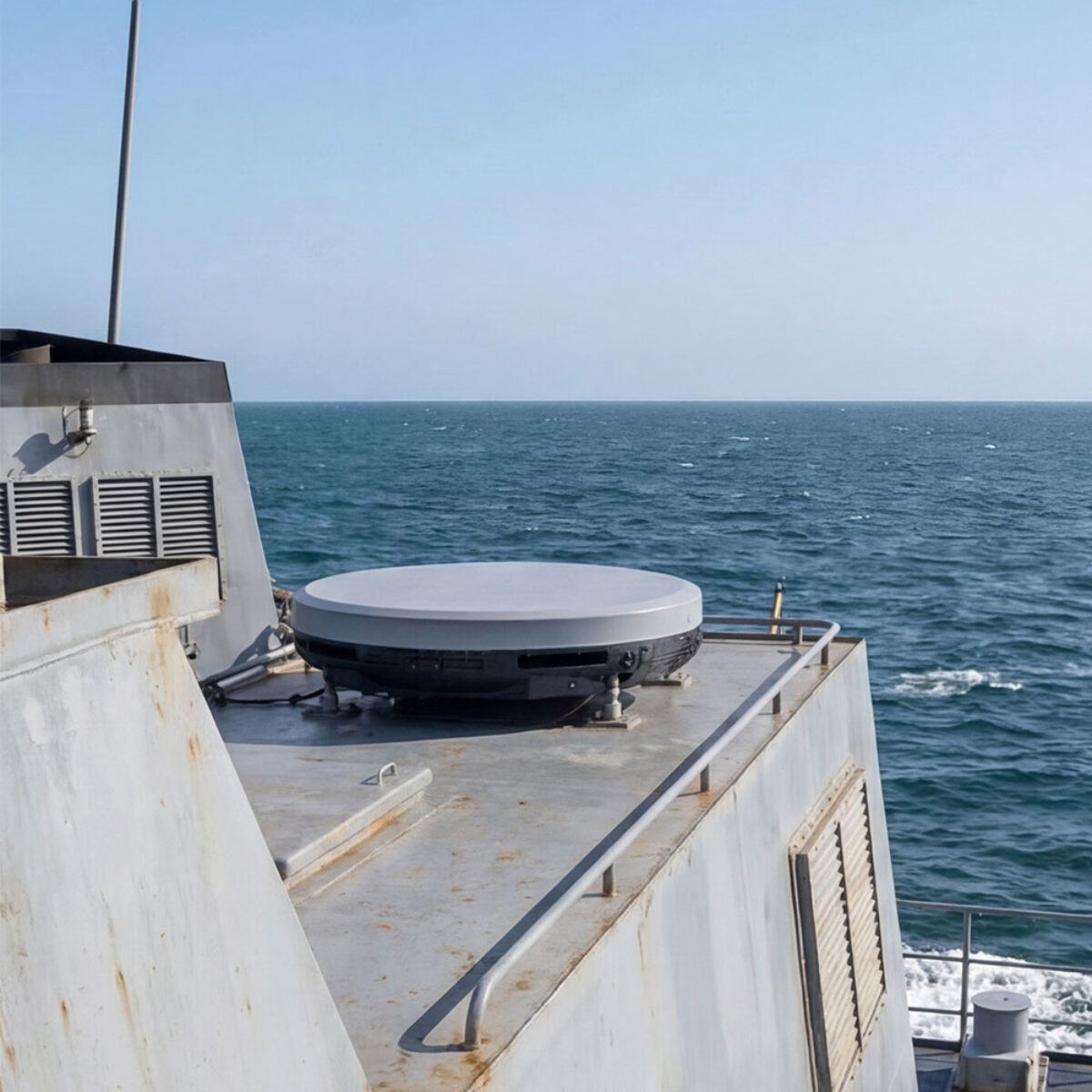
Hydra is a low‑profile, rugged, no‑moving‑parts SATCOM platform that maintains multiple simultaneous links (not just failover), blends satellite and cellular when available, and delivers assured on‑the‑move (OTM) transport via an intuitive GUI and modular bays for modems, tactical radios, and edge compute.

Hydra Core Advantages for NATO/Allied SOF:

Hydra Core Advantages for NATO/Allied SOF – ALL.SPACE
Always‑on via simultaneous multi‑path
Hydra maintains concurrent links across GEO/HEO/MEO/LEO, keeping ISR, mission apps, and coalition data layers flowing even under jamming and while on the move. (Hydra 2: dual‑link Mil/Com Ka‑band across GEO/MEO and future LEO; Hydra 4: four live links across Mil/Com Ka, Ku, and L‑band).

Hydra Core Advantages for NATO/Allied SOF – ALL.SPACE
High‑performance tracking for mobile operations
Hydra delivers high‑speed, vector‑based monopulse tracking via digital beamforming, while its lens‑based design provides inherent anti‑jam capability and maintains performance across wide scan angles, ensuring reliable connectivity on the move.

Hydra Core Advantages for NATO/Allied SOF – ALL.SPACE
Latest‑tech headroom for capacity & responsiveness
Hydra MAX will deliver 500 MHz of instantaneous bandwidth per Ka‑band link (1 GHz aggregate) in a compact 86 cm on‑the‑move form factor, supporting high‑rate ISR/ edge applications and Mil‑Ka military/coalition waveforms (including the wideband, anti‑jam Protected Tactical Waveform when used with sovereign modems), and enabling connectivity to Ka‑band LEO constellations.

Hydra Core Advantages for NATO/Allied SOF – ALL.SPACE
Proof & momentum
Operational with leading defense users; advanced operator certification activities across Ka‑band GEO and MEO networks, with additional mobility approvals progressing; and active collaboration to enable access to Ka‑band LEO systems.

Hydra Core Advantages for NATO/Allied SOF – ALL.SPACE
Federation‑ready design
A network‑ and modem‑agnostic design lets it serve as a transport/access node, align to customer‑specified profiles, and drop into coalition mission networks at speed.

Hydra Core Advantages for NATO/Allied SOF – ALL.SPACE
Rapid deployment, easy to use
Low‑profile hardware, no mechanical parts, and a web‑based GUI reduce setup time and sustainment burden for small teams.

Use Case Scenarios (Land & Maritime)

Special Forces Across NATO & Allies

Dispersed Arctic Mobility (Land, High North)

Scenario 1

Urban Clandestine ISR (Land)

Scenario 2

Cross-Border Targeting Thread (Land, Multi-Domain)

Scenario 3

Scenario 1

Dispersed Arctic Mobility (Land, High North)

Mission Need:
Low‑signature, resilient OTM comms with GNSS disruption risk and limited terrestrial backhaul; coalition data sharing into a mission network.

Hydra Effect
Hydra maintains LEO/MEO/GEO/HEO links concurrently for COP/ISR/chat; integrates cellular near civil infrastructure (doctrine permitting); publishes to the coalition data layer (FMN‑aligned).

Scenario 2

Urban Clandestine ISR (Land)

Mission Need:
Short‑duration presence, minimal footprint, and rapid exfiltration; partners need access to common products.

Hydra Effect
Digital beamforming and multi‑path transport support LPD/LPI behavior; ISR/video flow is maintained during maneuvers and synced with FMN repositories for quick partner access.

Scenario 3

Cross-Border Targeting Thread (Land, Multi-Domain)

Mission Need:
Maintain real‑time SENSOR → TASK → SHOOTER data paths under EW and movement; keep multiple networks operational during dynamic re‑tasking.

Hydra Effect
Concurrent links sustain video, telemetry, and tasking across orbits; edge computing pre‑processes data to reduce backhaul and preserve near‑real‑time targeting timelines.

Maritime Visit, Board, Search & Seizure (VBSS) / Littoral Interdiction (Sea)

Scenario 4

Expeditionary Command Post On-the-Move (Land)

Scenario 5

Scenario 4

Maritime Visit, Board, Search & Seizure (VBSS) / Littoral Interdiction (Sea)

Mission Need:
High‑throughput ISR backhaul and mission chat from small platforms; quick embarkation/disembarkation with minimal deck modifications.

Hydra Effect
Hydra 2 dual‑link resilience (Mil/Com Ka‑band) while underway, and its low‑profile design fits small‑craft topside installations and feeds the maritime mission network, leveraging NGSO augmentation.

Scenario 5

Expeditionary Command Post On-the-Move (Land)

Mission Need:
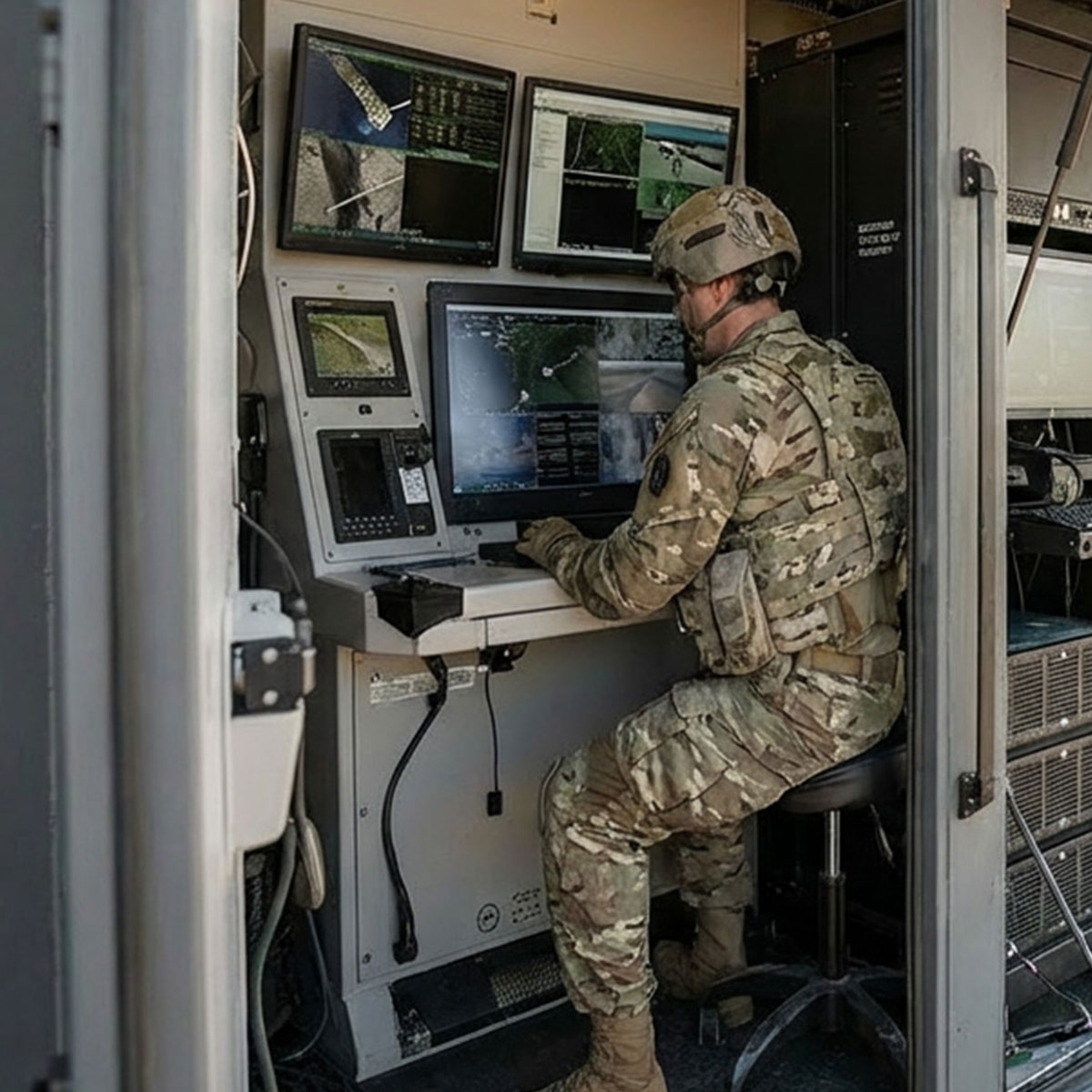
Keep a small, mobile Command Post connected with zero downtime during displacement; maintain PACE without multiple stovepipes.

Hydra Effect
PACE‑in‑a‑box via active, simultaneous links; an intuitive web GUI and no moving parts reduce crew drills, allowing commanders to keep apps responsive while the unit conducts bounding movements.

From Single Line to Resilient Fabric: Comms Built for SOF

Hydra delivers assured, low‑signature, multi‑path transport that federates on Day Zero, combining simultaneous multi‑orbit connectivity, LPD/LPI‑supportive beamforming, edge‑ready modularity, and operator‑simple control to keep links up and heads in the mission.

For NATO and Allied Special Operations Forces, that means always‑on connectivity, latest‑tech headroom, and rapid deployment, enabled by a network‑ and modem‑agnostic architecture and proven milestones. This transforms communications from a fragile single line into a resilient, flexible fabric built for the field.

Case Study Download Form

This field is for validation purposes and should be left unchanged.
Name(Required)

ALL.SPACE used to be called Isotropic Systems at www.isotropicsystems.com.
We changed our name on 1 August 2022 but are the same legal entity.